
The growing availability of marine hydrolysates —derived from fish, cephalopods and crustaceans— is reshaping the landscape of functional proteins in pet food. Their current relevance goes beyond hypoallergenicity: it extends to the modulation of colonic fermentation, digestive efficiency, nutritional density and the sustainability of the production system. Recent evidence allows a more precise characterisation of the physiological behaviour of these ingredients and their usefulness in highly digestible formulations or those with specific functional objectives.
Differential properties of marine hydrolysates
Marine hydrolysates present peptide profiles with a narrow molecular distribution, high solubility and rapid absorption kinetics. These characteristics translate into:
- A consistent increase in the apparent digestibility of protein, organic matter and energy, even when significant fractions of the base diet are replaced.
- A reduction in fermentable protein load in the colon, with a direct impact on tryptophan‑derived metabolites.
- Selective modulation of the microbiota, particularly when crustacean hydrolysates are used.
- Functional variability depending on the species of origin, requiring selection based on specific data rather than the general “marine” category.
Marine hydrolysates consistently improve the digestibility of protein, energy and organic matter, even at high inclusion levels.
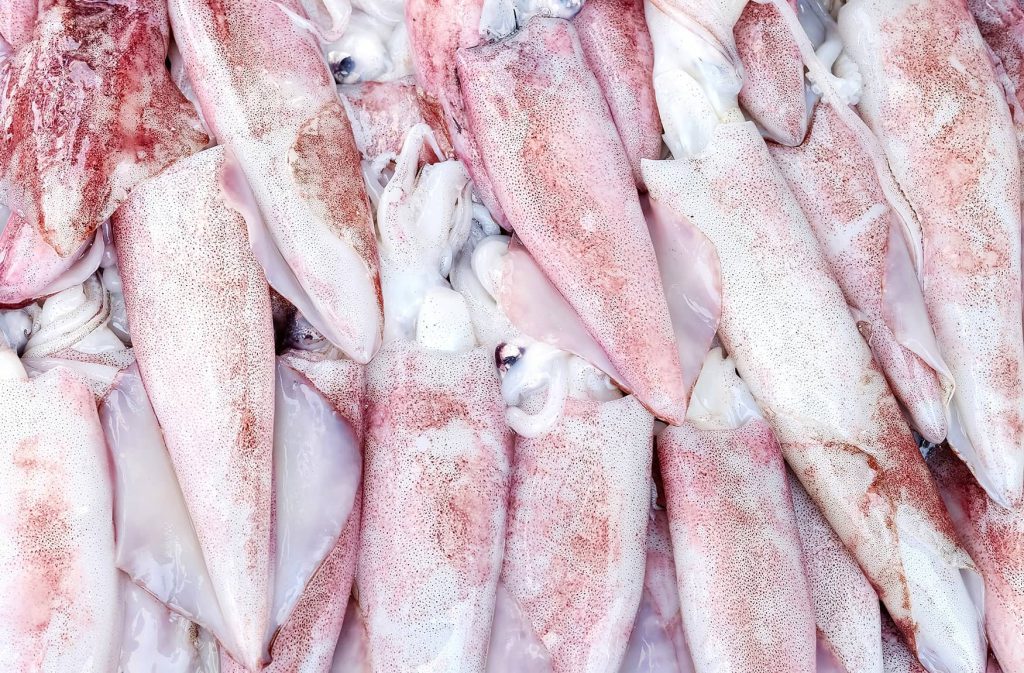
Table 1. Comparative functional properties of marine hydrolysates evaluated in dogs
| Source | Digestibility | Fermentation | Microbiota | Relevant observations |
| Fish (anchovy, liquid hydrolysate) | Maintenance of overall digestibility | Marked reduction in indole and skatole | Not evaluated | Useful for minimising putrefactive protein fermentation |
| Cephalopod (squid meal) | ↑ protein and energy digestibility | Decrease in butyrate | Microbial stability | Suitable for highly digestible diets without excessive fermentative impact |
| Crustacean (shrimp hydrolysate) | ↑ digestibility and ME | ↑ total VFA (except butyrate) | Changes in Firmicutes, Lactobacillus, Oscillospiraceae | Potential modulator of fermentation and microbiota |
ME: Metabolisable energy; VFA: Volatile fatty acids.
Digestive and fermentative implications
Digestibility
Marine hydrolysates consistently increase total apparent digestibility of:
- protein (improvements exceeding 5–10% depending on inclusion),
- gross energy,
- organic matter.
These effects persist even at high inclusion levels (up to 150 g/kg), making them strong candidates for high‑nutritional‑density diets or for animals with specific digestive requirements.
Colonic fermentation
Fermentative effects depend on the origin of the hydrolysate:
- Fish hydrolysate → reduction in indole and skatole, indicating lower putrefactive protein fermentation.
- Squid → decrease in butyrate, with no major changes in other VFA.
- Shrimp → increase in total VFA, particularly acetate and propionate.
These profiles allow ingredient selection according to the desired objective:
- reduction of faecal odour or colonic irritation,
- increased fermentative activity,
- modulation of specific metabolic pathways.
Microbiota
Marine hydrolysates do not induce dysbiosis in healthy dogs, but they can produce selective changes:
- increased Lactobacillus and certain Firmicutes families with shrimp hydrolysate,
- microbial stability with squid meal,
- lack of microbiota data for liquid fish hydrolysates, although reduced indoles suggest lower fermentative pressure.
The origin of the hydrolysate determines its fermentative impact and allows modulation of indoles, skatoles, VFA and specific metabolic pathways.
Table 2. Selection criteria for marine hydrolysates according to nutritional objective
| Objective | Recommended ingredient | Justification |
| Minimise indoles/skatoles | Fish hydrolysate | Demonstrated reduction in putrefactive metabolites |
| Increase total VFA | Shrimp hydrolysate | Significant increase in acetate and propionate |
| Maintain stable microbiota | Squid meal | No relevant changes in diversity or abundance |
| Maximise protein digestibility | Squid or shrimp | Improvements above the basal diet |
| Hypoallergenic diets | Marine hydrolysates in general | Low antigenicity due to peptide profile |
Implications for formulation
- Inclusion in highly digestible diets
Marine hydrolysates can replace conventional protein fractions without compromising dietary energy density or faecal consistency. - Optimisation of fermentative profiles
Hydrolysate selection should align with the fermentative objective (indole reduction vs. VFA increase). - Faecal odour control
Fish hydrolysates are particularly useful in formulations aimed at reducing volatile compounds derived from putrefaction. - Use in hypoallergenic diets
Their low molecular weight and reduced epitope presence make them suitable for elimination diets or maintenance in animals with food hypersensitivity. - Sustainability and product narrative
The valorisation of marine by‑products (Category 3) allows the integration of circular‑economy criteria without compromising nutritional quality.
Hydrolysate selection must be based on species‑specific functional data due to variability in digestibility, fermentation and microbiota effects.
Conclusions
Marine hydrolysates represent a category of ingredients with clear applications in advanced canine nutrition. Their impact on digestibility, fermentation and, in some cases, microbiota enables their use as functional tools in targeted formulations. The variability between species of origin highlights the need for data‑driven selection rather than broad categorisation. Their sustainability profile and peptide characteristics position them as strategic ingredients in next‑generation diet development.
References
- Guilherme‑Fernandes, J. et al. (2024). Squid meal and shrimp hydrolysate as novel protein sources for dog food. Frontiers in Veterinary Science.
- Martello, E. et al. (2025). Liquid Hydrolyzed Fish Protein (Anchovy) in the Canine Diet: A Focus on Gut Fermentation and Fecal Quality. Veterinary Sciences.
- Ribeiro, T. B. et al. (2025). A Comprehensive Review of Fish Protein Hydrolysates Targeting Pet Food Formulations. Food Reviews International.