
The European dog food market has changed rapidly over the past five years. The study by Boukid and Rosentrater (2025), which analyses more than 4,500 product launches, provides an accurate snapshot of how the three major product categories are taking shape: animal‑based, hybrid and plant‑based.
This work connects formulation innovation with consumer perception and market evolution. The message is clear: diversification, transparency and sustainability are no longer trends but the pillars on which the future of the sector is being built.
Evolution of product launches in Europe
The first key finding is the shift in the number of launches within each category. Hybrid products have moved from a minority position to becoming the dominant category. Animal‑based products remain highly relevant, though with slower growth. Plant‑based products, while still a small segment, are expanding rapidly—particularly in snacks and supplements.
| Category | No. of launches (2020–2024) | % of total | Sector observations |
| Hybrid | 3018 | 66,2% | Leading innovation and responding to sustainability demands. |
| Animal‑based | 1379 | 30,3% | Still the nutritional benchmark, though less dynamic. |
| Plant‑based | 166 | 3,6% | Rapid growth in snacks; still marginal in dry and wet food. |
Hybrid animal–plant pet food accounts for two out of every three launches in Europe

Ingredients and formulations
Each category is characterised by a distinct ingredient profile, which has direct implications for sourcing, formulation and communication.
| Product type | Dominant ingredients | Implications for the value chain |
| Animal‑based | Meats (chicken, beef, lamb), by‑products, animal fats, cereals | Require traceability; remain the nutritional standard. |
| Hybrid | Combination of meat and plant proteins (legumes, oilseeds), vegetables, oils | Opportunities for plant‑protein suppliers; central to sustainability claims. |
| Plant‑based | Legumes, cereals, fruits and vegetables, plant oils (coconut, sunflower) | Technical challenges: ensuring adequate protein and fat; attractive to ethically driven consumers. |
Hybrid animal–plant pet food opens space for plant proteins and functional oils
Nutritional comparison
The nutritional analysis reveals clear differences in protein, fat and fibre across product types. This determines how each category should be positioned in the market and which claims are most appropriate on the label.
| Format | Animal‑based | Hybrid | Plant‑based | Sector implication |
| Snacks | High protein (≈30 g/100 g), high fat | Intermediate protein and fat | More fibre, less protein and fat | Adjust claims: protein vs fibre; segment by use (treat vs digestive support). |
| Wet | Higher protein and fat | Intermediate values | More fibre, lower moisture | Reformulation is critical: balancing texture and nutrients. |
| Dry | Few launches | Dominant in dry food | Very limited | Hybrid kibble is the immediate future bet. |
Labelling and consumer communication
Labelling is the bridge between formulation and consumer. The study shows how each category uses different claims to position itself:
- Animal‑based: rely on tradition and naturalness, reinforcing trust in animal protein as the dietary foundation.
- Hybrid: highlight sustainability and nutritional balance, appealing to consumers seeking reduced environmental impact without compromising functionality.
- Plant‑based: emphasise ethics and environmental respect, but must clearly demonstrate nutritional completeness.
Transparency in labelling is now a competitive asset, not merely a regulatory requirement
Pricing and market positioning
The study reveals price differences between categories, with direct implications for manufacturers and retailers:
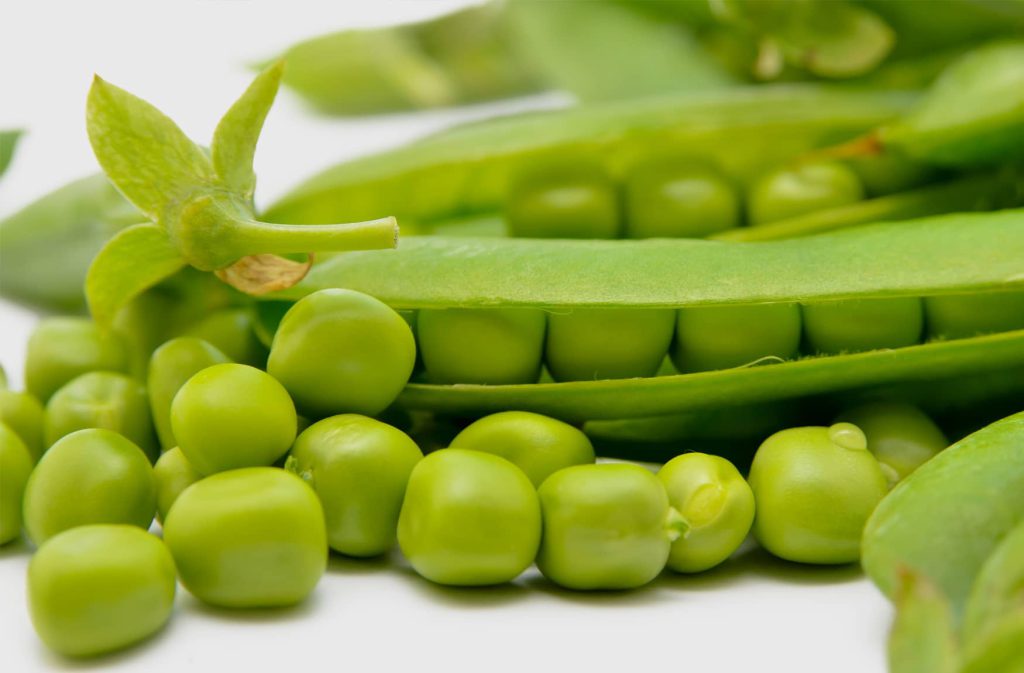
- Plant‑based: generally more expensive, reflecting ingredient costs and premium positioning. This may limit mass adoption but strengthens their appeal as aspirational products for highly committed consumers.
- Hybrid: wide price range, allowing adaptation to multiple segments. Seen as a balanced option in terms of cost and benefit, with potential to become the most transversal category.
- Animal‑based: remain competitively priced but face sustainability‑related pressure. Their challenge is to remain accessible while improving transparency and environmental responsibility.
The challenge is to democratise sustainability so it is not perceived as a luxury
Strategic directions
The study offers a clear message for all actors in the pet food value chain: innovation is no longer optional—it is the condition for competing in a rapidly changing market.
- Ingredient diversification: the rise of hybrid pet food and the growth of plant‑based products create opportunities for suppliers and manufacturers integrating new protein sources and functional oils.
- Formulation as an innovation arena: hybrid pet food is where the future is being shaped, balancing nutrition and sustainability. Plant‑based products, though still niche, act as a testing ground for ideas and trend‑setting.
- Labelling as a competitive asset: consumers demand clarity and reject empty claims. Brands that communicate honestly, with verifiable data and differentiated messages, will build stronger and longer‑lasting trust.
- Price as a decisive factor: if innovative options are perceived as a luxury, they will remain niche. The challenge is to democratise sustainability by adjusting costs and clearly justifying added value.
The future of European pet food is built on diversification, transparency and sustainability
Conclusion
The European dog food market is being redefined. Hybrid animal–plant foods lead innovation, plant‑based products are growing as an ethical and sustainable alternative, and animal‑based products maintain their relevance as the nutritional reference. The message is clear: innovating in ingredients, strengthening transparency in labelling and adjusting pricing strategies are essential to meet the expectations of an increasingly conscious and demanding consumer.
References
Summary of the article Nutritional Profiling and Labeling Practices of Plant‑Based, Hybrid, and Animal‑Based Dog Foods: A Study of European Pack Labels (2020–2024), published in Animals (Vol. 15, 2025).